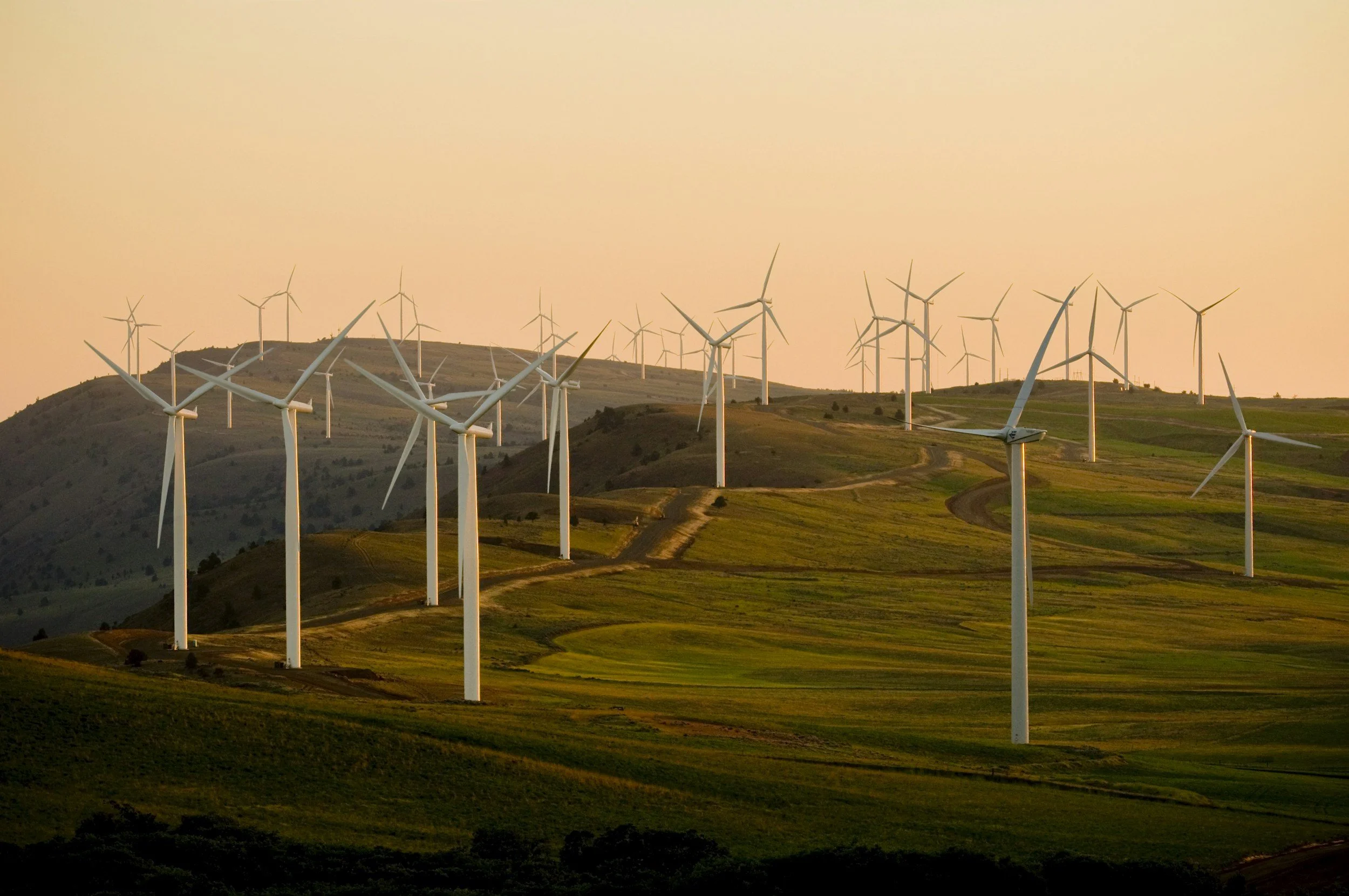
NextEra Energy is the world's largest generator of renewable energy from the wind and sun and a world leader in battery storage. NextEra is the parent company of Florida Power & Light Company, America's largest electric utility, and NextEra Energy Resources, LLC, a competitive clean energy business.
*Although many project details are confidential, I’m happy to discuss my experience in more detail during a conversation upon request.
Overview
I had the opportunity to lead a 13-week discovery initiative to unify fragmented maintenance workflows across the Centralized Maintenance department for wind turbine fleets. This was completed by conducting 14 interviews and 4+ observational studies, aligning 8+ stakeholders and securing executive buy-in for a funded initiative. Through this effort, a future-state AI-supported platform was defined, projected to drive $6M+ in cost savings and reduce planning inefficiencies across operations.
The Problem
Maintenance teams relied on disconnected systems, manual coordination, and inconsistent workflows to plan and execute work. This fragmentation led to inefficient prioritization, duplicated effort, and costly delays driven by poor visibility and reactive decision-making.
Research Insights:
Teams tracked work across Excel, OneNote, and Maximo System with no unified system
Manual validation and “spot checking” created ongoing overhead for planners
Teams struggled to prioritize work and shift from reactive to proactive planning
My Role

Mapped end-to-end workflows across three distinct phases of the maintenance process
Identified breakdowns across systems
Created a target-state experience blueprint aligning systems, people, and processes
Defined phased roadmap (POC → Phase 1 → Phase 2+) to guide implementation
Developed concept models for AI-supported planning, validation, and coordination
The Solution
Designed a Unified Central Maintenance Experience, centered on an AI-supported hub that:
Centralized job planning, status tracking, and system data into one interface
Automated validation between systems
Provided AI-generated maintenance plans with human oversight built in
Enabled real-time scheduling, vendor optimization, and risk detection
Created a shared, single view of project delivery across all teams
No single source of truth forced teams to rely on fragmented tools and manual reconciliation
Planners spent significant time validating data rather than planning work
Poor visibility across teams and vendors led to delays and misalignment
Reactive workflows (“firefighting”) prevented proactive decision-making
Financial & Operational Impact
Key Insights

The Impact
Efficiency Gains
Reduced system switching by centralizing workflows into a single platform
Eliminated manual validation and reconciliation steps
Enabled proactive decision-making through real-time visibility and alerts
Reduced costly delays such as:
$180K+ delays from scheduling inefficiencies
$265K+ scope-related delays due to late discovery issues
Strategic Impact
Secured executive buy-in and funding for initiative
Aligned 8+ cross-functional stakeholders across design, engineering, and operations
Defined a multi-phase product roadmap for enterprise rollout
Positioned Central Maintenance as a strategic driver of reliability and performance
Reflection
This project showed how deeply fragmented operational systems can translate into significant financial impact, and how design-led discovery can surface both the human and business cost of inefficiency. By connecting user needs to system-level opportunities, I helped turn scattered workflows into a funded, strategic initiative with measurable enterprise value.
$6M+ projected cost savings from improved planning and reduced inefficiencies
Identified ~$30M in controllable cost variance (20%) tied to planning and execution gaps
Individual workflow improvements projected:
$3M annually from improved planning and preparation
$1.5M from scheduling optimization
$1.5M from improved project tracking and delivery visibility
$500K+ from initial POC improvements
As UX Architect and Design Lead, I:
Led a 13-week discovery initiative
Conducted 14 interviews + 4+ observational sessions
Facilitated 8+ cross-team demos and alignment sessions
Synthesized findings into system maps, personas, and experience blueprints
Defined the future-state experience and product direction
Pitched experience to executive team to secure funding for build of the phased roadmap